Tehran All Seasons Review: Stylish Spy Thriller, Shaky Logic, And A Series That Overstays Its Own Best Ideas

A spy thriller lives and dies by one thing: credibility.
Not “this could literally happen tomorrow” credibility, but the internal kind. The kind where the story makes you nod along and say, “Alright, sure, that tracks,” even while the plot is juggling hackers, covert ops, and people sprinting through foreign streets like they’re late for the last train home.
That’s the core problem with Tehran. It looks fantastic. It sounds fantastic. It often feels fantastic. And then it asks the audience to accept decisions that feel so avoidable, so structurally messy, that the tension sometimes collapses under the weight of its own convenience.
Across three seasons, Tehran becomes a show that’s easy to admire and strangely hard to fully trust. It delivers atmosphere, urgency, and strong performances, but it also builds major story arcs on character behavior that doesn’t always pass the most basic “would a trained agency do this?” test.
This is an all-seasons review from the viewpoint of someone not fully satisfied: impressed by what the show does right, and increasingly irritated by what it keeps getting wrong.
Season 1: The smartest version of Tehran is also the simplest one

Tehran
Season 1
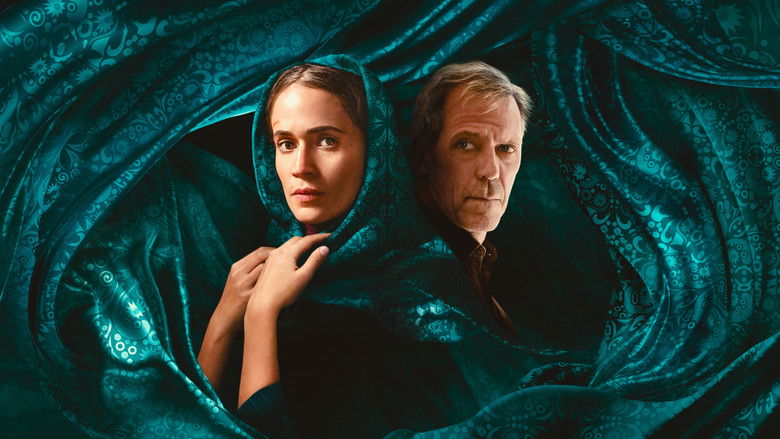
Tamar is a Mossad hacker-agent who infiltrates Tehran under a false identity to help destroy Iran's nuclear reactor. But when her mission fails, Tamar must plan an operation that will place everyone dear to her in jeopardy.
Season 1 is where Tehran earns its reputation.
The premise is lean, tense, and loaded with real-world stakes: an Israeli operation targets Iran’s defense systems, and the mission hinges on Tamar Rabinian, a young hacker with Iranian roots who is sent into the field. From the start, the show benefits from a modern twist: the protagonist isn’t a tuxedo-wearing “I’ll take my martini” spy. She’s a cyber specialist thrown into an environment where every choice has consequences.
And that’s where Season 1 shines: not just in action, but in contrast.
Tamar isn’t simply navigating hostile territory. She’s navigating a country she once belonged to. The show uses that friction well. Tehran is portrayed as a layered place with everyday life continuing under a system designed to monitor and control. The cultural tension is not just background decoration; it’s the pressure cooker that makes Tamar’s decisions feel heavy.
Season 1 also deserves credit for its casting and tone.
The performances help keep characters from turning into cardboard cutouts. Tamar has vulnerability without becoming helpless. The Iranian investigator chasing her feels like an actual human being rather than a moustache-twirling villain. And the supporting cast includes people who aren’t reduced to “good” or “bad” labels so much as “trapped,” “committed,” “afraid,” or “ambitious.”
Even the structure mostly works. The opening episodes are strong and immersive. The middle stretch drifts into a few predictable genre turns, but it regains momentum toward the end. The finale ramps up betrayal and tension and leaves the story deliberately open, clearly expecting continuation.
Season 1 is the season that makes viewers say: this could have been a near-perfect limited series.
And honestly, it probably should have been.
Season 2: When a great atmosphere can’t cover for weak decisions

Tehran
Season 2
Tamar is a Mossad hacker-agent who infiltrates Tehran under a false identity to help destroy Iran's nuclear reactor. But when her mission fails, Tamar must plan an operation that will place everyone dear to her in jeopardy.
Season 2 is where the cracks stop being hairline and start being structural.
On paper, Tehran still has everything going for it. The production remains strong. The setting feels textured and convincing. The series continues to use Persian dialogue and a sense of place that makes the world feel lived-in. The moral framing is also still more nuanced than the average spy thriller. The show tries, at least, to treat both sides as motivated by ideology and survival rather than cartoonish evil.
But then there’s Tamar.
Tamar is positioned as the key asset in a mission involving one of the most high-stakes intelligence conflicts imaginable. Yet her writing increasingly makes her feel like the least prepared person in the room. She makes mistakes that seem less like “human error under pressure” and more like “the plot needs this to happen.”
That’s a big difference.
Because spy thrillers can absolutely show flawed agents. In fact, that’s often the best kind. But flaws have to feel consistent with training, psychology, and role. A field agent can be reckless but competent. A cyber specialist can be brilliant but physically vulnerable. The issue here is that Tamar often comes across as both emotionally reactive and operationally careless in ways that undermine the believability of the entire Mossad apparatus.
That leads to the question Season 2 keeps forcing: why is she even there?
If the story insists that Tamar is primarily a hacker, sending her into enemy territory starts to feel like unnecessary risk when remote operations could handle much of that work. Yes, stories need proximity to generate tension. But there are believable ways to justify physical presence. Season 2 doesn’t always do the homework. Instead, it leans on urgency, coincidence, and repeated narrow escapes.
Then comes another issue: distraction casting.
A major star joining a show can elevate it if the character is integral. But when the character feels bolted on, it can distort the balance. Season 2’s high-profile addition doesn’t fully blend into the story’s natural rhythm, and that contrast makes the show feel more “assembled” than “inevitable.”
Season 2 is still watchable. It’s often gripping scene-to-scene. But the more it asks viewers to accept questionable operational behavior, the more it starts to feel like a great-looking thriller that’s cheating to win.
Season 3: Still bingeable, but the repetition becomes impossible to ignore
Tehran
Season 3
Tamar is a Mossad hacker-agent who infiltrates Tehran under a false identity to help destroy Iran's nuclear reactor. But when her mission fails, Tamar must plan an operation that will place everyone dear to her in jeopardy.
Season 3 is where opinions split, and both sides have a point.
On one hand, the show remains tense and immersive. Performances stay strong. The pacing can be addictive. When Tehran locks into suspense, it still knows how to pull an audience through the next episode.
On the other hand, the pattern becomes familiar.
Tamar gets in trouble. Tamar makes a risky decision. Tamar is cornered. Tamar escapes at the last moment. Repeat.
A thriller can survive a lot of repetition if the escalation feels earned. But when the escapes start feeling miraculous rather than clever, the show begins sliding into soap-opera logic. And once that happens, the stakes start inflating without actually getting heavier.
There’s also the broader issue of continuation without closure. Season 1 ended open, but it felt like a deliberate “next chapter.” As the series continues, that open-endedness begins to feel less like ambition and more like obligation: the storyline keeps stretching, not because it has something new to say, but because the show’s engine is still running.
That doesn’t mean Season 3 has no value. It just means the experience depends heavily on what the viewer wants.
If the goal is a tense binge with strong atmosphere and espionage flavor, it still delivers. If the goal is tight plotting and logical discipline, the fatigue sets in fast.
What Tehran consistently gets right
Even with all the frustration, it’s worth saying clearly: the show has real strengths.
The setting and texture
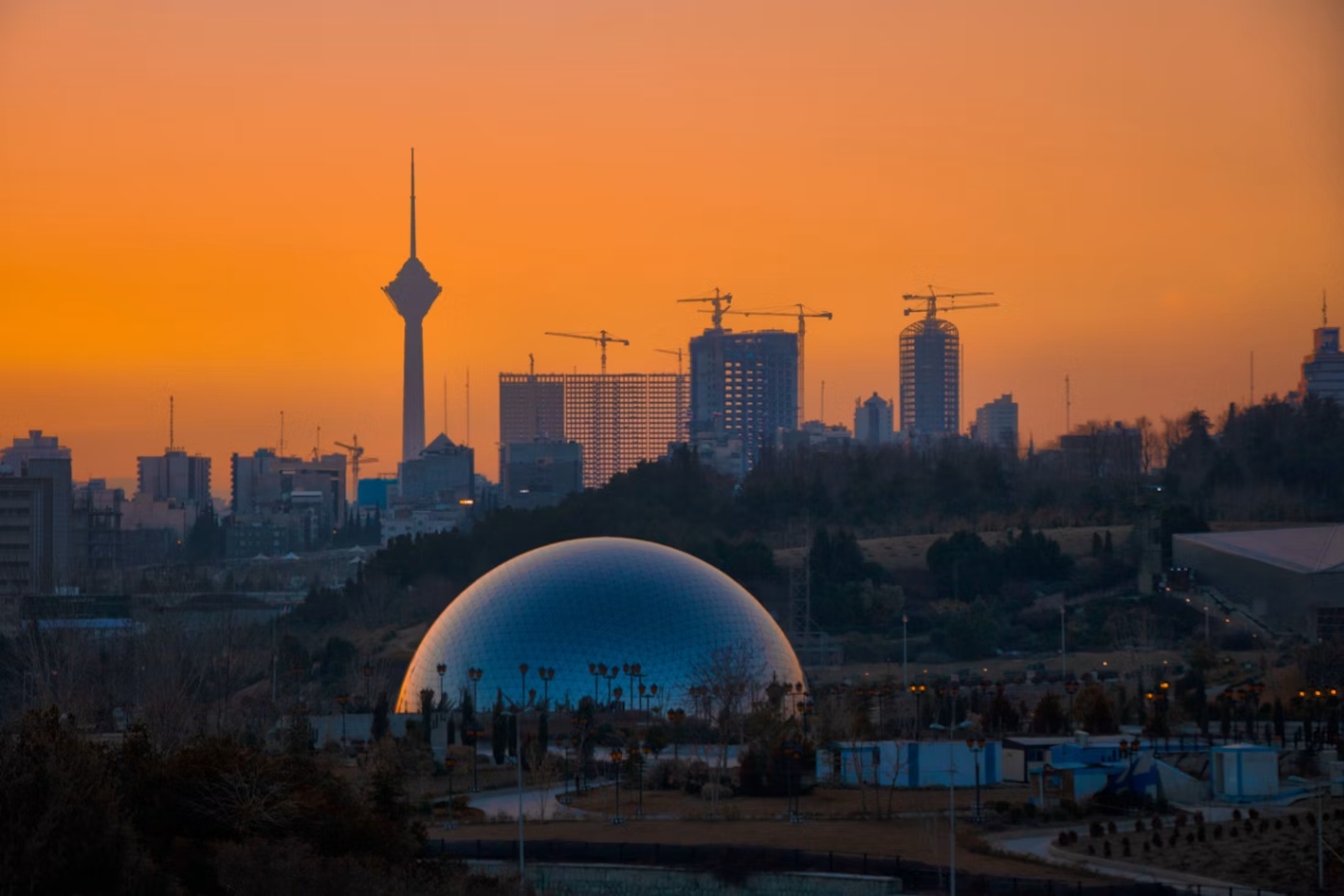
Whether filmed in Tehran or not, the series often captures a sense of scale and atmosphere that many thrillers miss. It feels like a city, not a set.
Performances
The acting helps ground even the weaker stretches. Tamar and her adversaries feel like people, not just plot functions.
Moral ambiguity (most of the time)
The show often avoids simplistic “good guys vs bad guys” messaging. It portrays people as shaped by systems, loyalty, fear, love, and survival.
Tension, when it’s earned
When the writing stops leaning on convenience, the suspense is legitimately strong.
What keeps dragging it down
A protagonist who behaves like the plot needs, not like her role demands
Tamar’s biggest issue isn’t emotion. It’s inconsistency. Sometimes she’s framed as a specialist. Sometimes as an agent. Sometimes as neither. That sliding identity makes her decisions feel unstable in a way that’s not always intentional or compelling.
A premise that doesn’t always justify itself
If the story wants a hacker in the field, it needs airtight justification. Otherwise the question “why not do this remotely?” hangs over everything like a buzzing mosquito in a quiet room.
Repetition disguised as escalation
Bigger danger isn’t the same as deeper stakes. If the solution keeps being “escape again,” tension becomes routine.
Final verdict: A 5/10 spy thriller with a 9/10 atmosphere
Tehran is the definition of uneven.
Season 1 is the tight, compelling version of the idea: culturally textured, tense, and emotionally grounded. Season 2 introduces logic problems and character writing choices that weaken the credibility. Season 3 keeps the binge appeal alive but risks turning the series into a loop of escalating scrapes and last-second miracles.
For viewers who love international spy dramas, it’s still worth sampling, especially Season 1. But for anyone who needs strong internal logic to stay invested, the later seasons can feel like watching a brilliant runner trip over the same shoelace three times and still insist it’s part of the choreography.
Overall rating: 5/10. Stylish, ambitious, often gripping, but too inconsistent to fully recommend as a complete series experience.