

Netflix’s Man on Fire (2026) Review: A Slow-Burn Revenge Thriller That Refuses to Be a Remake
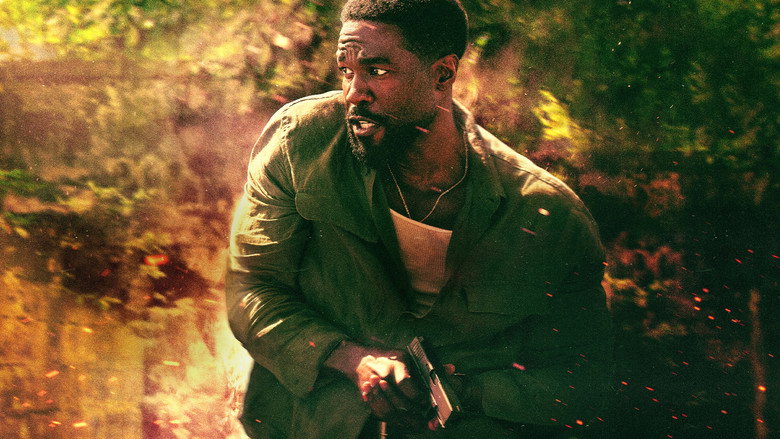
Man on Fire
Season 1
Once a high-functioning and skilled Special Forces Mercenary, known for surviving even the most desolate of situations, John Creasy is now plagued with intense PTSD. Determined to overcome his personal demons, he sets out on a path to redemption. But, before he can adjust to this new life, he finds himself back in the fire, fighting harder than ever.
Some series want you to compare them to the “classic” version. Man on Fire doesn’t. It dares you to stop trying.
Yes, the name comes with baggage. Most people hear Man on Fire and immediately picture the movie they already love, the scenes they already remember, the emotional beats they already expect. But Netflix’s take isn’t chasing those exact footsteps. It’s building a different path through the same kind of heat—one that moves slower, digs deeper, and focuses more on the damage inside the hero than the spectacle around him.
This is a revenge thriller, but not the simple, straight-line kind. It’s a story about trauma that keeps following a man even when he tries to outrun it. It’s about loyalty that becomes a weapon. And it’s about what happens when someone who’s barely holding himself together becomes the only thing standing between a teenager and people who don’t see her as a person at all.
If you can meet the show where it is, you’ll probably binge it faster than you planned.
What the story feels like
The series follows John Creasy, a former Special Forces operative who carries his past like a weight strapped to his ribs. He isn’t introduced as a legend. He’s introduced as a man with a haunted stare and the kind of silence that makes a room uncomfortable. The show doesn’t rush to explain him either. It lets you learn him through choices—what he notices, what he ignores, what sets him off, what makes him soften.
The plot builds around a protection job that turns personal, then turns ugly, then turns unavoidable. The danger isn’t just “one bad guy.” The threat has layers—people who pull strings, people who clean up messes, people who hide behind institutions. The show takes time to assemble that world, and that’s why it works as a series. Instead of sprinting from tragedy to vengeance, it makes you sit in the fallout long enough to feel why vengeance starts to look like the only language left.
It also helps that the setting and atmosphere lean gritty rather than glossy. The city isn’t a postcard. It’s tension, shadow, and motion. Even when nothing is exploding, the show often feels like it’s holding its breath.
Yahya Abdul-Mateen II is the engine
This show lives or dies on Creasy, and Yahya Abdul-Mateen II absolutely commits.
He plays Creasy like someone who’s trying to be disciplined while feeling permanently cornered. There’s restraint in the performance—an effort to stay calm that constantly threatens to snap. When he does get violent, it doesn’t feel like an action-star flex. It feels like a man flipping into survival mode because that switch is the only thing he trusts.
That’s why the quieter scenes matter. Abdul-Mateen is good at making stillness interesting. A pause reads like a decision. A glance reads like a warning. He can carry an entire scene with a jaw clench and a half-swallowed sentence, which is exactly what a slow-burn thriller needs.
For viewers who enjoy character-driven action, this is the hook: the performance keeps you invested even when the show is laying track instead of firing bullets.
It’s not a remake, and that’s the point
The fastest way to enjoy this series is to stop demanding it behave like the movie.
The show clearly respects what people love about the Man on Fire idea: a broken protector, an innocent life he refuses to lose, and the moral question of what “justice” becomes when the system is either corrupted or useless. But it doesn’t just replay the same story beats with new faces. It rearranges dynamics, shifts pacing, and expands the story into something that can breathe for seven episodes.
That choice will split audiences.
If someone wants the exact emotional template of the film—instant bonding, instant tenderness, instant heartbreak—this adaptation may feel slower to earn that closeness. The show asks for patience. It wants the connection to grow through pressure instead of montage. Sometimes that’s more believable. Sometimes it risks feeling like the story expects you to care a little sooner than you naturally do.
But the intention is clear: this series wants its own identity. It wants to be judged as a thriller series, not as a comparison chart.
The pacing: mostly a strength, occasionally a strain
Because the series is more layered, it spends more time on buildup. That means more context, more side characters that actually matter, more mystery and misdirection, and more long-term tension.
When it’s working, it’s addictive. Episodes tend to end with reveals that reframe what you thought you knew, which makes the “one more episode” problem very real.
When it isn’t working, the story can feel slightly stretched. A few scenes linger longer than necessary, and certain suspense beats repeat before they pay off. It doesn’t derail the season, but it’s noticeable—especially for viewers who prefer tight, fast storytelling.
Still, the slow burn is part of the show’s personality. It’s how it earns the later intensity.
Supporting cast and the emotional center
The show builds a strong supporting circle around Creasy, and that matters because the story isn’t just “hero versus villains.” It’s also “hero versus himself.”
The teenage girl at the center of the danger isn’t written as a simple prop. She has presence and agency, and the series makes her more than a symbol. The bond that forms between her and Creasy doesn’t try to recreate the famous dynamic people remember from the movie. It’s different, more modern, and sometimes rougher around the edges—but that difference helps the series stand on its own.
The adult supporting characters also do a lot of heavy lifting. Some are sympathetic. Some are suspicious. Some swing between both. The show uses them to keep the audience guessing about motives, loyalties, and secrets, and that uncertainty fuels the binge factor.
Action and suspense: grounded, not cartoonish
There’s plenty of action, but it’s not nonstop. When it happens, it’s generally shot in a way that keeps stakes intact. The fights feel like they cost something. The gunplay feels dangerous. The violence isn’t polished into a dance routine.
More importantly, action is usually tied to story turns rather than inserted as filler. The best sequences aren’t just “cool moments.” They’re pressure valves—payoffs for tension that’s been slowly tightening.
If you like thrillers where suspense is built through pacing and paranoia, not just body counts, this is a good fit.
What could have been better
Even with strong performances and a solid mood, the series isn’t flawless.
Some villain elements can feel familiar, like pieces borrowed from other crime-thriller shows. The middle stretch occasionally slows down a little too much before the next major story escalation. A few emotional beats land harder in concept than execution, especially early on, before the relationship dynamics fully settle.
None of these problems ruin the season. They just keep it from being a clean “no notes” masterpiece.
Final verdict
Netflix’s Man on Fire succeeds because it refuses to be a nostalgia trap. It’s a slower, darker, more character-first revenge thriller that builds its intensity instead of dumping it all at once. Yahya Abdul-Mateen II gives the story weight, and the series earns its best moments through tension, atmosphere, and emotional damage—not just action.
It won’t satisfy viewers who want a replica of the movie. But for anyone willing to treat it as its own adaptation, it’s a highly bingeable thriller with real bite.