Why The Capture Is The Most Gripping Surveillance Thriller You Need To Binge Watch Today
If you have been searching for a television series that grabs you by the collar and refuses to let go, your search ends here. In an era saturated with predictable police procedurals and overblown action dramas, finding a show that perfectly balances cerebral tension with relentless pacing is a rare treat. I recently sat down and binge watched all three seasons of The Capture, and I can say with absolute certainty that it is one of the most compelling pieces of television produced in the last ten years. It is a show that forces you to question everything you see, expertly weaving contemporary anxieties about technology into a deeply human narrative.
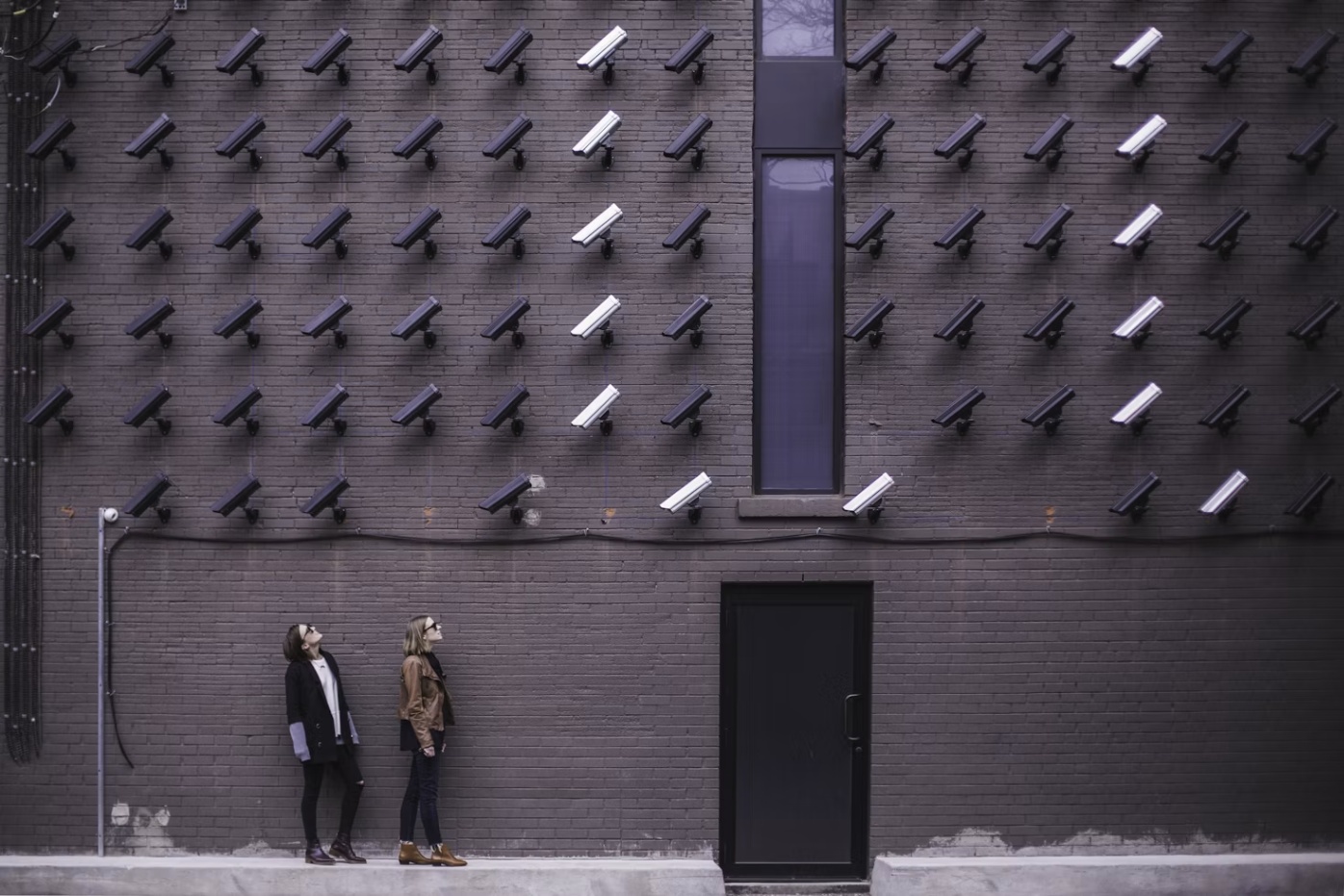
The Capture does not just entertain. It challenges our fundamental reliance on visual evidence in a world where seeing is no longer believing. From its surprisingly grounded first season to its explosive third outing, the series evolves from a clever mystery into a sprawling commentary on international geopolitics, surveillance, and the terrifying potential of artificial intelligence. This post breaks down why this show works so well and why it deserves your immediate attention.
Season One: The Illusion of Photographic Truth
The Capture
Series 1
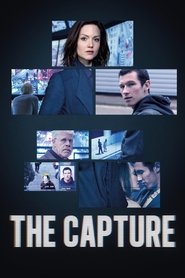
When soldier Shaun Emery's conviction for a murder in Afghanistan is overturned due to flawed video evidence, he returns to life as a free man with his young daughter. But when damning CCTV footage from a night out in London comes to light, Shaun's life takes a shocking turn and he must soon fight for his freedom once again.
The Capture was initially marketed as an international conspiracy thriller, boasting a heavyweight cast that includes the likes of Famke Janssen and Ron Perlman. With such a setup, you might expect a standard action packed spy romp. Instead, the first episode is masterfully designed to wrongfoot the viewer. It lulls you into a false sense of security before pulling the rug out from under you.
We are introduced to Shaun Emery, played with raw intensity by Callum Turner. Shaun is a serving British soldier who has recently been released from prison. His freedom is secured when a video expert identifies critical flaws in the audio of his combat helmet camera footage from Afghanistan. The original footage seemed to show Shaun executing a Taliban prisoner in cold blood, but the technical discrepancies allow a clever legal team to get him off the hook.
What follows is an intensely gripping sixty minutes of television. While celebrating his newfound freedom, Shaun meets his barrister, Hannah Roberts, played by Laura Haddock. The two share a kiss on the street. She boards a bus, and he briefly chases after it. It seems like a relatively innocuous, if slightly dramatic, end to an evening. However, the entire sequence is captured by the omnipresent closed circuit television cameras that dot the London landscape. When the footage is reviewed by operators in a sterile surveillance center, it triggers massive alarm bells. Shaun is swiftly arrested by Detective Inspector Rachel Carey, portrayed brilliantly by Holliday Grainger, and a frantic search for the suddenly missing Hannah Roberts begins.
This setup is incredibly thought provoking. The first season acts as a captivating drama that scrutinizes the British legal system and the unseen intelligence operatives who manipulate it. As a viewer, you are constantly left wondering whether the footage you have seen is genuine. You question if Shaun is simply traumatized by his brutal experiences in Afghanistan, suffering from a fractured reality, or if something much more sinister is at play. The possibility of a massive international cover up hangs heavy over every scene.
It is not a breakneck, high tech thriller in the vein of a Hollywood blockbuster. Instead, it relies on slow building tension, making you question the very nature of truth. The performances are universally stellar. Turner and Haddock deliver sincere, emotionally charged portrayals, while the production values remain impeccably high throughout. It is an intense, imaginative introduction that hooks you completely.
Season Two: Escalation in a World of Lies
The Capture
Series 2
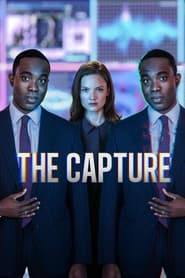
Entrenched in the UK’s own “Correction” unit, DCI Rachel Carey finds herself in the middle of a new conspiracy – with a new target. But how can she solve this case when she can’t even trust her closest colleagues? Series two features “invisible” assassins, the terrifying rise of deepfake technology, the ever-growing tension between government and Big Tech, and corruption at the heart of the British media.
Moving into the second season, the show smartly refuses to rest on its laurels. The premiere episode wastes no time throwing the audience back into a paranoid world where every camera feels like an active threat. The tension builds remarkably fast, and I was entirely hooked from the opening scene. By now, the central premise of the show has been established, allowing the writers to dig deeper into the terrifying implications of their surveillance heavy universe.
Holliday Grainger truly comes into her own here. Her portrayal of Rachel Carey is anchored by a quiet, determined edge that makes her instantly magnetic on screen. She does not resort to shouting or theatrical overacting. Instead, she projects a relentless drive, pushing forward against insurmountable odds. Carey becomes the moral center of a world that has lost its grip on reality.
The surveillance apparatus is not just clever background dressing for the narrative. It functions as the very engine of the story. The constant monitoring makes the viewer feel uncomfortable in the best possible way. You find yourself second guessing every frame of video and every piece of supposed evidence. This season excels at creating an atmosphere of pervasive dread, where privacy is an illusion and digital manipulation is a weapon of mass destruction.
It is worth noting that there are a couple of plot leaps in the second season that feel slightly too convenient. At times, the narrative stretches credulity to maneuver its characters into specific situations, which can momentarily pull you out of the experience. However, these are minor niggles in an otherwise gripping continuation. The thick atmosphere, the philosophical questions raised about the nature of recorded truth, and the strong leading performances more than compensate for any minor structural flaws.
Season Three: Bigger, Faster, and Bolder
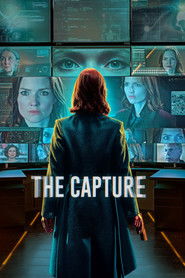
The Capture
Series 3
When soldier Shaun Emery's conviction for a murder in Afghanistan is overturned due to flawed video evidence, he returns to life as a free man with his young daughter. But when damning CCTV footage from a night out in London comes to light, Shaun's life takes a shocking turn and he must soon fight for his freedom once again.
The third season takes the established formula and turns the dial all the way up. While I enjoyed the previous seasons immensely, I actually found season three to be a step above in terms of sheer entertainment value. The pacing is relentless, and the creators have done an excellent job of making the complex phenomenon of deepfake technology both accessible and terrifyingly understandable for a mainstream audience. The third series premiered in the UK on 8 March 2026, pushing the boundaries of the story even further.
Going bigger and faster presents both a problem and a triumph for the show. On one hand, the narrative becomes slightly less grounded. The intimate focus on character study and subtle political maneuvering is occasionally traded for heightened action sequences. Some of the twists in this season require a bit more suspension of disbelief than before. There are moments where the plot borders on the unbelievable, but the writing is clever enough to provide logical explanations for its wildest leaps. For instance, questions regarding character motivations from earlier episodes are answered in ways that satisfyingly tie the overarching mythology together.
The acting remains top tier. The addition of new cast members brings fresh energy, and the voice work of Indira Varma is particularly striking. Her commanding presence adds a layer of gravitas to the high stakes espionage. The third season demonstrates that The Capture is perhaps the most in touch drama series when it comes to contemporary geopolitics. It reflects our real world anxieties regarding artificial intelligence, information warfare, and state sponsored deception.
I have seen a handful of highly critical reviews floating around online for this season, often leaving one star ratings. It is easy to assume these are simply contrarians missing the point. The primary purpose of television is to entertain, and the third season of The Capture is an absolute masterclass in entertainment. Yes, the storyline becomes far fetched. Yes, it is ridiculously over the top at times. But it is incredibly fun. It is a rollercoaster ride filled with twists, turns, cliffhangers, and genuine thrills. You do not ride a rollercoaster for logical efficiency. You ride it for the adrenaline rush, and this season delivers that in spades.
Why This British Thriller Stands Apart
Arguably, The Capture is the best television thriller series of the decade. The first season was a brilliant surprise that updated the classic paranoid thriller for the digital age. The second season expanded that thrill without losing its core identity. The third season cemented the show as an outstanding piece of written, acted, and narrated storytelling.
What sets this show apart from typical American pseudo thrillers is its refusal to cover up plot holes with mindless explosions or excessive sentimentality. This is a hard, true British procedural at its heart. It blows your mind with twists that amaze you precisely because they feel so incredibly believable. The technology depicted is not science fiction. The concepts of deepfakes, manipulated audio, and omnipresent surveillance are real world tools currently being developed and deployed. The show simply asks the terrifying question of what happens when those tools fall into the wrong hands.
The evolution of Rachel Carey as a character is also a significant draw. Watching her navigate a corrupt system, questioning her superiors, and fighting against a seemingly omnipotent adversary provides a strong emotional anchor. We root for her because she represents the human desire for truth in a world that is actively trying to erase it.
The Cultural Impact of Surveillance Dramas
Television has long been fascinated with the concept of the watchful eye. However, older shows often treated surveillance as a tool for the righteous. The camera was an unbiased witness that helped the good guys catch the bad guys. The Capture completely flips this trope on its head. It posits that the camera is just another narrator, and like any narrator, it can be entirely unreliable.
This shift in perspective is what makes the series so vital for modern audiences. We carry cameras in our pockets and install them in our homes. We document every aspect of our lives, assuming that this digital trail represents an objective reality. This show dismantles that assumption piece by piece. It shows us how easily pixels can be rearranged, how audio can be spliced, and how context can be fabricated to destroy a person's life in a matter of seconds.
Furthermore, the series tackles the bureaucratic nightmare of intelligence agencies operating without adequate oversight. It explores the moral compromises made by those who believe they are protecting the public, raising the classic question of whether the ends justify the means. The antagonists are rarely cartoonish villains. They are pragmatic individuals who genuinely believe that manipulating the truth is necessary for the greater good. This moral gray area adds incredible depth to the conflicts, elevating the show far above standard genre fare.
Final Thoughts: A Masterclass in Tension
If you have not yet experienced this show, I cannot recommend it highly enough. It is a rare series that actually manages to go from strength to strength with each subsequent season. While many shows lose steam or run out of ideas, this one continually reinvents itself while staying true to its core themes.
Binge watching all three seasons is a breathless experience. The pacing is specifically designed to keep you hitting the next episode button late into the night. It requires you to pay attention, rewarding careful viewers with subtle clues and brilliant narrative payoffs. It is a show that respects the intelligence of its audience, inviting us to solve the puzzle alongside the characters.
Whether you are a fan of intricate spy games, character driven dramas, or cautionary tech tales, there is something here for you. The acting is phenomenal, the writing is razor sharp, and the execution is flawless. Do yourself a favor and dive into this paranoid, thrilling world. Check it out, and you will not regret it. But remember, as you watch the screen, be careful. You might not be watching them, but they are most certainly watching you.