Nicolas Cage Rescues Marvel: A Deep Dive Into the Gritty Brilliance of Spider-Noir
The Antidote to Superhero Fatigue
For years, audiences have been desperately craving a comic book adaptation that actively avoids the sterile, focus group tested formulas of modern franchise filmmaking. The television landscape needed something distinct, something unapologetically weird, and something that practically radiates the atmosphere of cheap cigarettes and existential dread. Finally, that moment has arrived. Spider-Noir is not just a good television show; it is a vibrant, beautifully bloody, and downright hilarious miracle of broadcasting. It stands as a testament to the fact that the only cinematic force more powerful than superhuman reflexes is an actor completely and utterly committed to chewing the scenery.
From the very first frame, this series establishes its aesthetic with the reckless confidence of a runaway freight train. The year is 1933, the global economy is in the gutter, and Nicolas Cage stands alone as the final barrier between humanity and total annihilation. Forget whatever the studio executives might claim regarding interconnected cinematic universes. This project is a completely separate entity. It is a brand new world where the narrative rules appear to have been drafted by a creative team that binged classic detective films before deciding to unleash pure, unfiltered madness onto the screen.
A Masterclass in Eccentricity
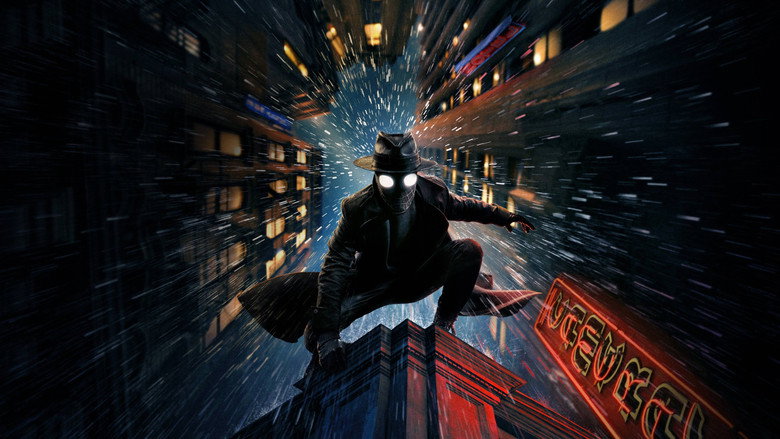
The casting of this series is nothing short of absolute genius. Nicolas Cage, a magnificent and eccentric ball of cinematic energy, steps into the trench coat of Ben Reilly, also known as The Spider. This version of the character is a deeply flawed private detective who has witnessed unimaginable horrors. He is a man haunted by the tragic loss of his wife, a memory that clings to him relentlessly. Viewers should quickly abandon any expectations of seeing the friendly neighborhood web slinger they know and love. This iteration is deeply cynical, entirely jaded, and surprisingly hilarious. He operates less like a traditional savior and more like a terrifying nightmare entity who occasionally delivers terrible puns.
Cage leans completely into his signature eccentricities. He delivers his dialogue with a stylized James Cagney drawl that would make hardened mobsters weep with pure nostalgia. He is not merely playing a person with superhuman abilities; he is delivering a masterclass in how to become a screen legend. His performance anchors the entire production, carrying the emotional weight and the comedic timing with equal brilliance.
The Nuances of the Performance
To truly appreciate what Cage brings to the table, one must look at his incredible versatility throughout the season. The physical comedy alone is top tier television.
- Vocal Gymnastics: The lead actor shifts his emotional gears countless times per episode, affecting various accents whenever he goes undercover, and even bursting into spontaneous song when the audience least expects it.
- Inappropriate Reactions: He frequently laughs out loud during moments of deadly seriousness, adding an unsettling yet captivating layer to his characterization.
- Physicality: In one highly memorable sequence where the character is bedridden, he curls his limbs upward in a manner perfectly resembling a squashed arachnid.
- Drunken Brawls: He gets ample opportunity to go bigger and wilder, hilariously playing intoxicated during a standout bar fight that ranks among the best action sequences of the year.
Watching him work feels akin to witnessing a perfectly constructed sketch comedy routine stretched into a dramatic narrative. It is entirely absurd, yet utterly impossible to look away from.
A Rogues Gallery Reinvented
The plot of Spider-Noir is pure, unadulterated pulp fiction gold. The narrative centers around an investigator with arachnid instincts, a relentless reporter who actively seeks out danger, and a collection of villains that makes the standard costumed bad guys look amateurish. The creative team has taken familiar antagonists and run them through a 1930s depression era filter, creating adversaries that feel like they crawled directly out of a fever dream.
Flint Marko, famously known as the Sandman, Tombstone, and Megawatt are all present, but their bizarre makeovers make them entirely fresh threats. They are grounded in the grim reality of the period while maintaining their terrifying supernatural edges. Furthermore, Brendan Gleeson delivers a magnificent performance as Silvermane. Gleeson plays the crime boss with a pragmatic, brutal intensity that perfectly complements the chaotic energy of the protagonist.
The narrative scope of the show is equally impressive. The story takes unexpected detours, including a journey to war ravaged Eastern France. The season also features a hallucinatory episode titled "Nightmare On A Gurney." This specific chapter serves up some of the most psychologically complex and visually stunning action sequences ever committed to screen in this genre. It dives into a surreal, avant garde madness that goes deeper into the protagonist's fractured psyche than any previous adaptation has ever dared to attempt.
The Supporting Cast That Grounds the Chaos
While the leading man dominates the screen, the heart of the show relies heavily on its supporting characters. Ben Reilly is a damaged hero who frequently stumbles into situations he never actually asked to be part of, and he needs a strong supporting network to survive.
Karen Rodriguez acts as the absolute secret weapon of the series in her role as Ben's assistant. She provides the smartalecky voice of reason, effectively grounding the chaos and providing a crucial anchor for the audience. Her chemistry with the lead is electric, offering moments of levity and genuine emotional connection. Similarly, Lamorne Morris is a revelation as Robbie Robertson. His character is hilariously drawn into the dangerous action, providing a very human perspective on the bizarre events unfolding around him.
These characters are not merely sidekicks. They are classic archetypes brought to life with incredible depth and immense charm. The writing and performances are so strong that viewers quickly forget they are watching standard genre tropes and instead become deeply invested in their survival.
Visual Storytelling and Technical Brilliance
Technically speaking, this television show is a certified masterpiece. The cinematography is immediately eye catching, utilizing shadow and light in ways that honor classic cinema while feeling entirely fresh. The editing rhythms perfectly balance modern pacing with nostalgic transitions. Furthermore, the sets and costumes look genuinely lived in and completely authentic to the 1930s setting.
One of the most discussed aspects of the production is the dual viewing format. The platform offers the show in both an authentic black and white presentation and a true hue full color version. While some critics might dismiss this as a mere gimmick designed to boost viewing metrics, it is actually a stroke of absolute genius.
A Comparison of Viewing Formats
Regardless of the format chosen, the series provides a visual experience unlike anything else currently available on television. The top tier production values create a suitably glamorous yet deeply corrupt metropolitan setting that is simply gorgeous to look at.
The Power of Standalone Storytelling
Perhaps the greatest strength of Spider-Noir is its complete disconnection from larger cinematic universes. By existing as a standalone entity, the show is entirely free from the burdensome continuity that plagues modern comic book media. The writers do not have to worry about how their events impact a dozen other franchises. This freedom allows them to take massive creative risks, try completely unconventional storytelling techniques, and push their characters into dark, uncompromising corners.
The creative team clearly benefited from the goodwill established by recent animated multiverse films, but they use that foundation to build something completely distinct. It is a roadmap for exactly what live action adaptations can and should be moving forward. Audiences do not need endless cameos or universe building easter eggs; they need compelling crime stories featuring nuanced characters and high stakes drama.
Spider-Noir
Season 1
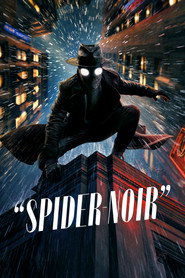
Private investigator Ben Reilly is hired on a couple of straightforward cases... until mobsters, monsters, and a mysterious femme fatale spin a web that brings him face to face with his former life as New York's only superhero: The Spider.
Final Thoughts on a Television Miracle
So, is the entire concept just a cynical gimmick? It would be a massive mistake to dismiss it as such. Spider-Noir is an absurdly brilliant concoction that manages to balance high stakes action, profound tragedy, and laugh out loud comedy without ever missing a beat. It is a genuine miracle that all of these disparate elements work so seamlessly together.
The series offers fresh, original entertainment that will thoroughly satisfy fans of classic pulp fiction, and viewers who simply want to watch a legendary actor perform at his most unapologetically over the top. It is, without a doubt, the best streaming adaptation in this genre in many years.
This television show provides a perfect binge watching experience. Viewers will find themselves laughing through tears, marveling at the incredible visual presentation, and questioning their entire existence in the best way possible. It proves that when creative boundaries are removed, and artists are allowed to experiment with beloved properties, the results can be truly extraordinary. The era of the spreadsheet generated superhero show might finally be over, and we have a wonderfully jaded, jazz age detective to thank for it.